Counter-UAS Training: Preparing Teams for the Drone Threat
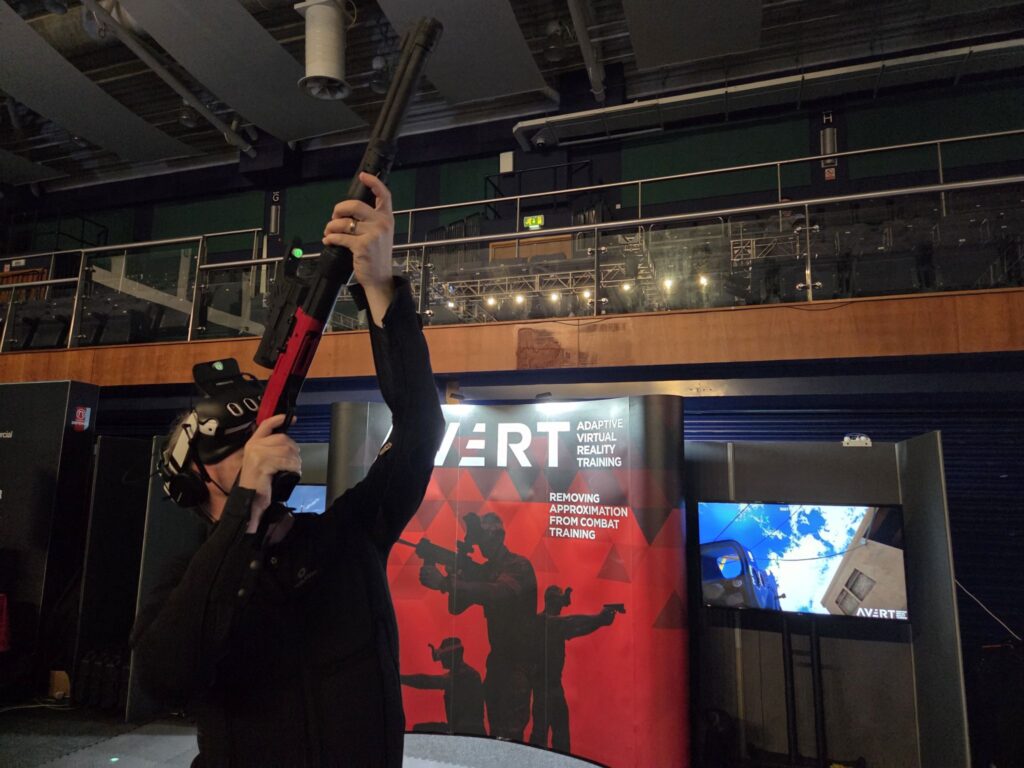
Uncrewed aerial systems have moved from a marginal concern to one of the most urgent capability gaps facing military and security forces today. AVRT’s new CUAS training functionality is built directly on top of its existing free-roam, instructor-led military VR training platform, allowing trainees to counter drone threats using real-world weapons within fully immersive, adaptive scenarios.
Because the training runs on AVRT’s adaptive engine, scenarios can be repeated and adjusted as drone tactics and technology continue to evolve, giving units a way to keep their readiness current rather than training against a threat picture that’s already out of date.
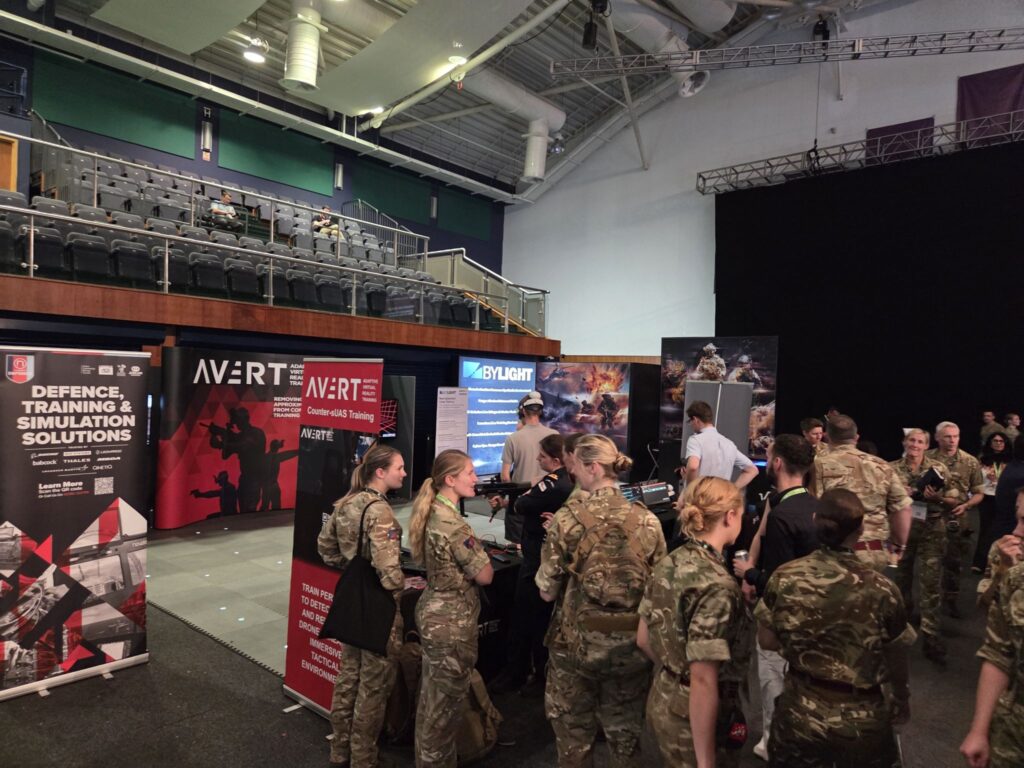
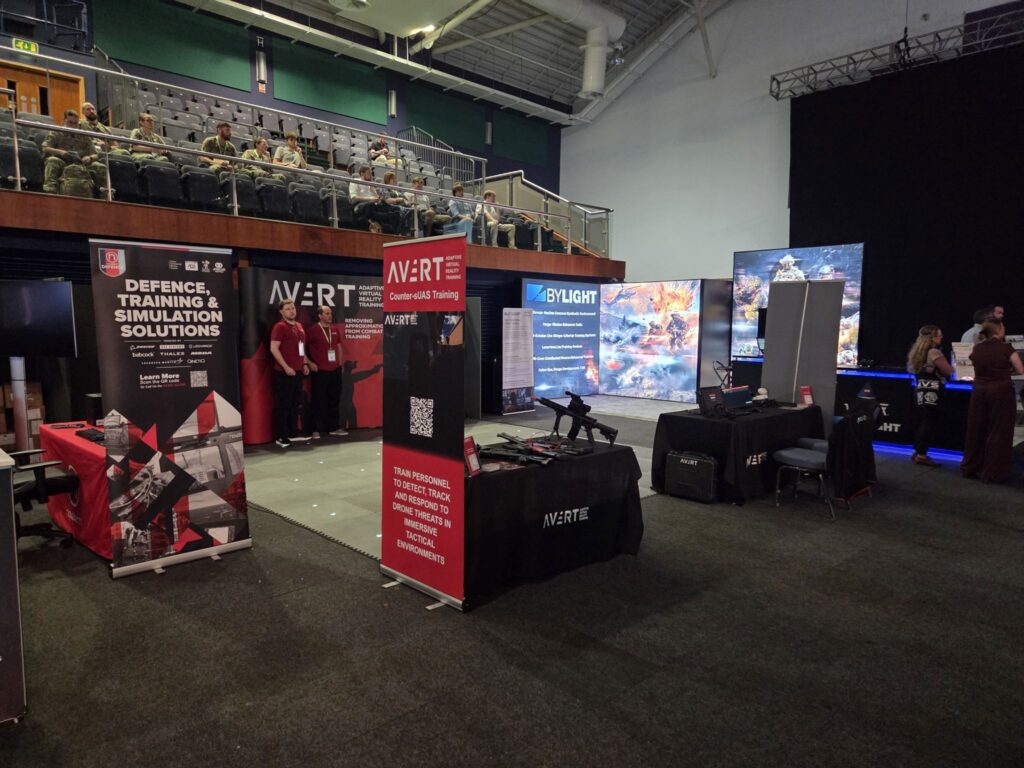
At DSET 2026, the CUAS capability had its first public run-out, with strong interest from attendees in the specific counter-drone weapon systems built into the training scenarios. AVRT’s team described the response from the show floor as extremely positive, marking a strong start for a capability that will be central to the platform going forward.
Live Demonstrations With Serving Personnel
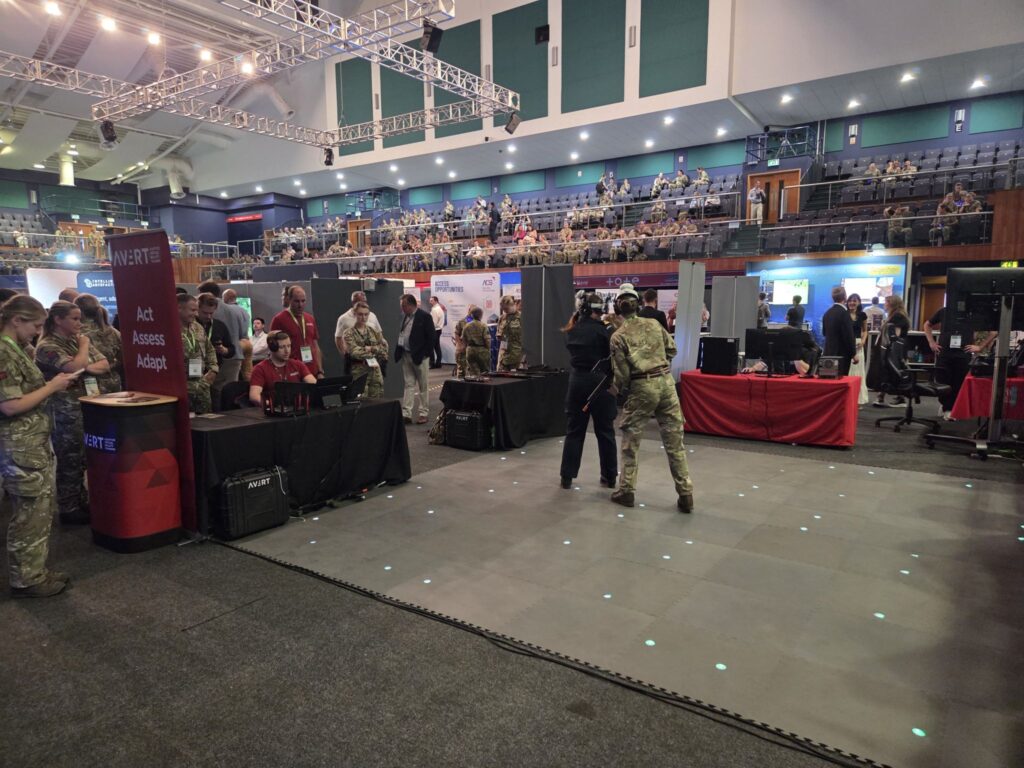
In the lead-up to the show, AVRT invited serving Soldiers, Police Firearms Officers and Specialist Tactical Officers attending DSET to take part in live demonstrations on the stand. That meant visitors didn’t just see the CUAS capability described to them, they watched it demonstrated by the operational personnel who would use systems like it in the field, delivering hundreds of immersive, instructor-led training scenarios over the three days.
Built to Integrate: Advanced Haptics on the CUAS Platform
AVRT’s CUAS training also benefits from the platform’s wider approach to integration. On the stand, AVRT paired the new CUAS functionality with a fully-integrated Teslasuit, adding realistic haptic sensations that give trainees a tangible physical consequence when encountering virtual drone threats. Visitors could also try the OWO Game Skin haptic vest, a lightweight haptic solution newly integrated with AVRT to add another layer of feedback without compromising the system’s free-roam flexibility.
Both integrations reflect a founding principle of the AVRT platform: it was built to incorporate new technologies as they emerge, keeping the CUAS training experience at the leading edge of immersive simulation.
A Strong Launch, With More to Come
By the close of DSET 2026, AVRT had delivered hundreds of live CUAS and core training demonstrations, introduced its counter-drone capability to the market for the first time, and shown how its open, integration-first platform continues to evolve alongside emerging threats. AVRT thanked Tess Butler and the wider Ruddy Nice and DSET teams for organising the event, and is already planning further public demonstrations of the CUAS platform.