
Case study · Law enforcement · July 2022
The Metropolitan Police Service used AVRT scenarios to give new insight into officer decision-making
In one borough, community volunteers reviewing police use of force were put in the officer’s position, working through the same decisions in VR.
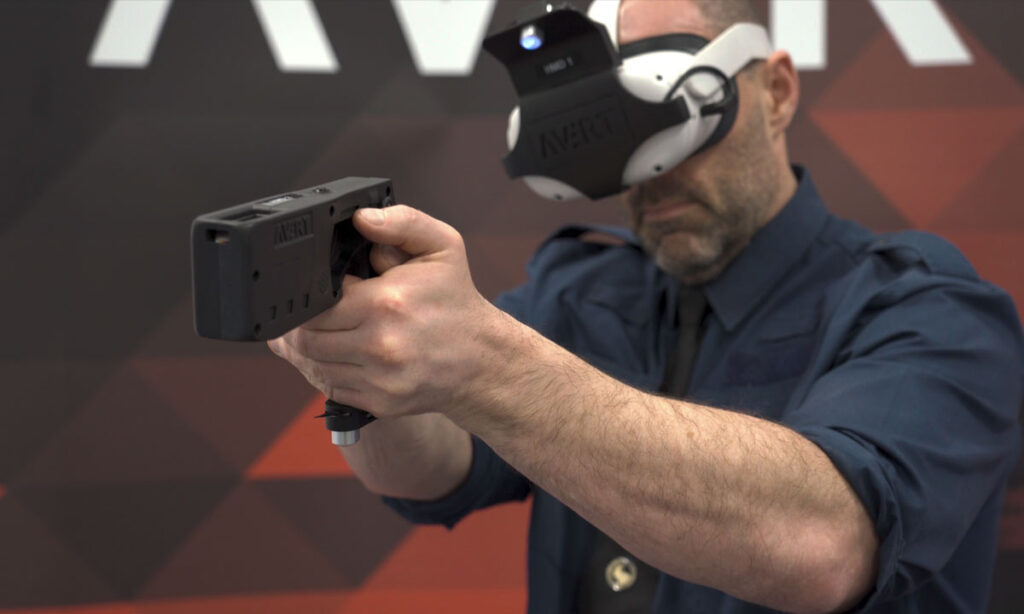
The Metropolitan Police Service set up Police Encounter Panels to open up how officers use force, bringing community volunteers in to review real incidents and talk through what happened.
A written report tells a panel what an officer did. It does not tell them what the officer could see, how long they had to decide, or how the situation looked from where they were standing. That gap is where most disagreement about use of force begins.
So in one borough, AVRT built VR scenarios from real encounters and let panel members work through them. One ran from a vehicle pursuit to a suspect on a flat roof, in crisis and holding a knife, at the point officers drew Tasers. Volunteers faced it with the same information and the same time the officers had.
Inspector Zed Asghar, speaking to Policing Insight, said the panels gave members a far clearer view of the decisions officers are asked to make.
What is a Police Encounter Panel?
Read next
“Our volunteers absolutely loved it.”
Inspector Zed Asghar, Metropolitan Police Service, speaking to Policing Insight
What it shows
The same scenario engine used to train officers can be turned the other way round, letting the people a force serves work through the decisions their officers face. Scenarios can be built from real incidents, and everyone in the room sees the same thing.
Get in touch
Arrange a demonstration.
If you believe our platform could be advantageous for your officers, we would love to hear from you.