Analysis & Insights

A defence analyst warns that a long UK commitment to Ukraine could tie up several British Army brigades. In November, around 300 British troops rehearsed that kind of deployment in Poland. It raises a question for the whole force: where does the training time come from?

The Ministry of Defence and HM Treasury have confirmed that overseas suppliers winning large UK defence contracts will be expected to reinvest in Britain from April 2027, through jobs, UK suppliers, technology transfer or skills.

A new report from America’s Police Executive Research Forum (PERF) warns that drones have moved from a hypothetical concern to an operational reality, and that local police are not yet in a good position to counter them. Its advice is simple: build the capability before the incident, not after.

The Ministry of Defence has confirmed that “several” British Army exercises were fully or partially cancelled over the past financial year, after a written parliamentary answer from Armed Forces Minister Louise Sandher-Jones.

In this week’s Budget, Chancellor John Healey committed the UK to spending 3% of GDP on defence by 2030, with full details of how the government will reach NATO’s 3.5% target by 2035 due at next year’s spending review.

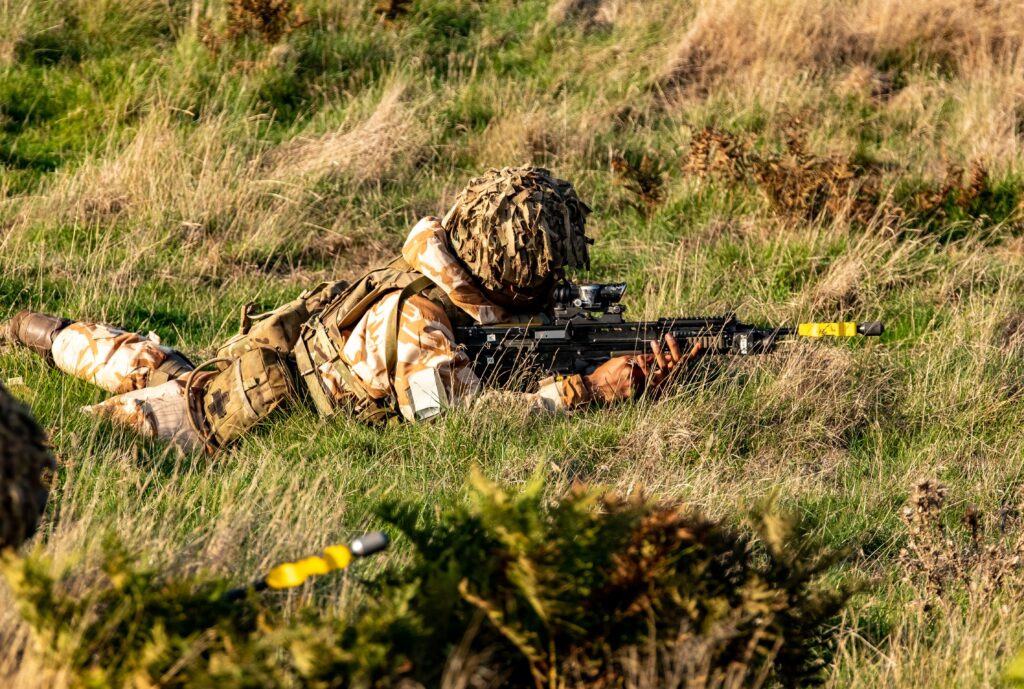
Drones are no longer just a problem for fixed bases and air defence crews. For infantry on patrol, in defence or moving between cover, a small drone overhead can mean surveillance, a strike, or both within seconds. That changes what counter-UAS training needs to look like.

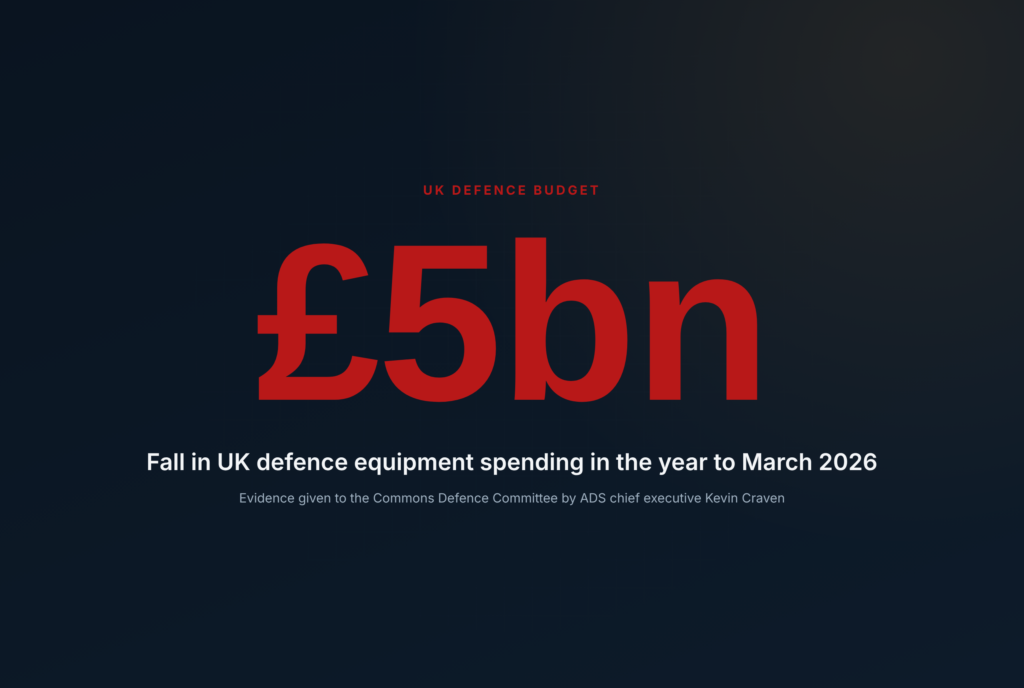
UK defence equipment spending fell by £5 billion in the year to March 2026, according to evidence given to the Commons Defence Committee by ADS chief executive Kevin Craven, who said the drop suggests the Ministry of Defence is trying to live within its means while it is still “hard to get orders” placed.

The US Army’s 2d Cavalry Regiment is expanding Project Flytrap, its counter-UAS initiative, into a battalion-level capability, working alongside British military partners.

Figures released by the Ministry of Defence under Freedom of Information rules show 340 drone security incidents at UK military bases in the year to August 2026, nearly one a day, up from 250 in 2025 and 126 in 2024. 

Drones have moved from a niche concern to one of the most urgent capability gaps facing military and security forces today.

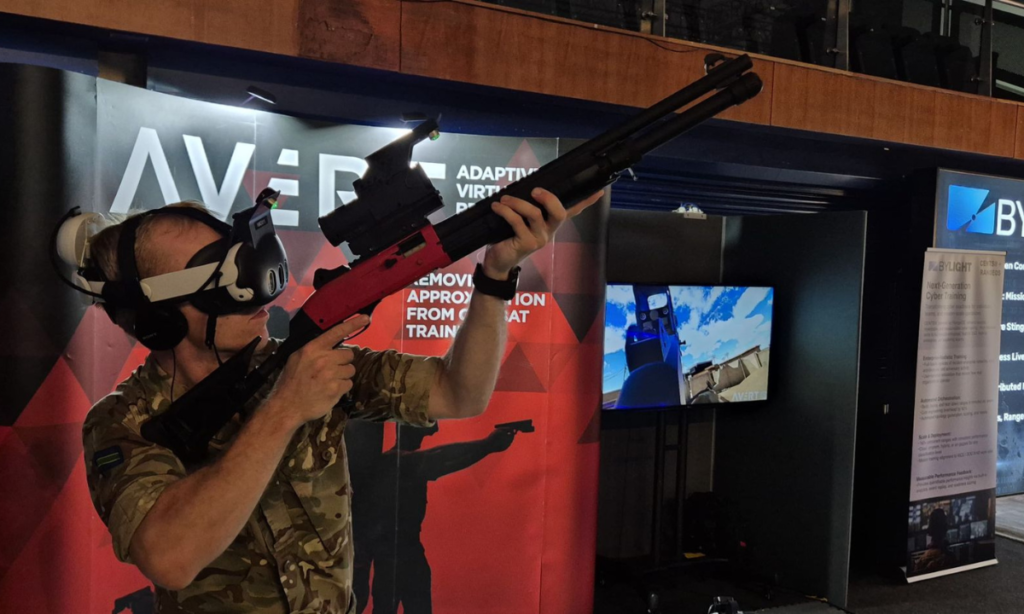
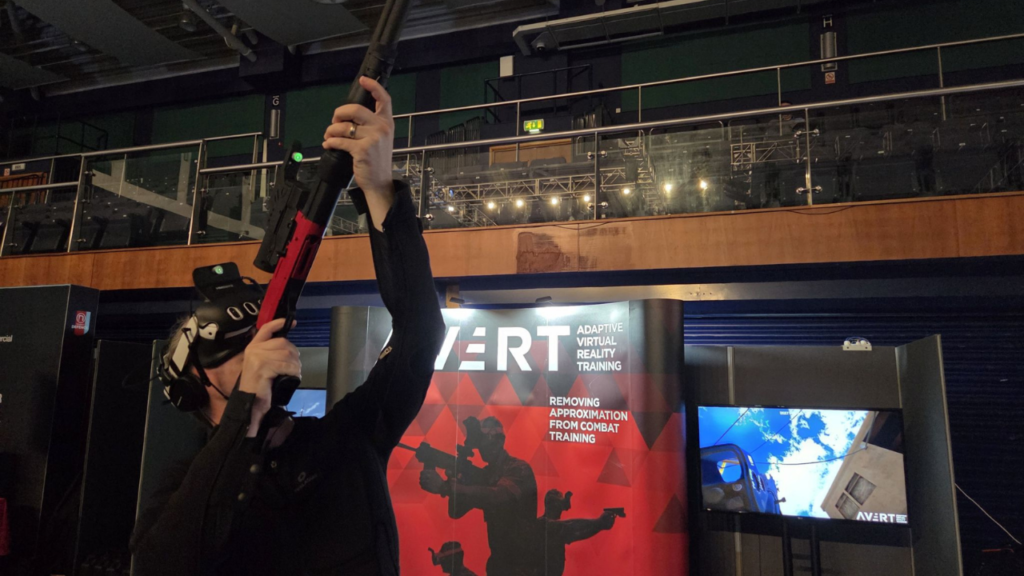
Traditional military training is expensive, ammunition, logistics, travel, range time, and personnel all add up fast. AVRT changes that equation significantly. Here’s how.

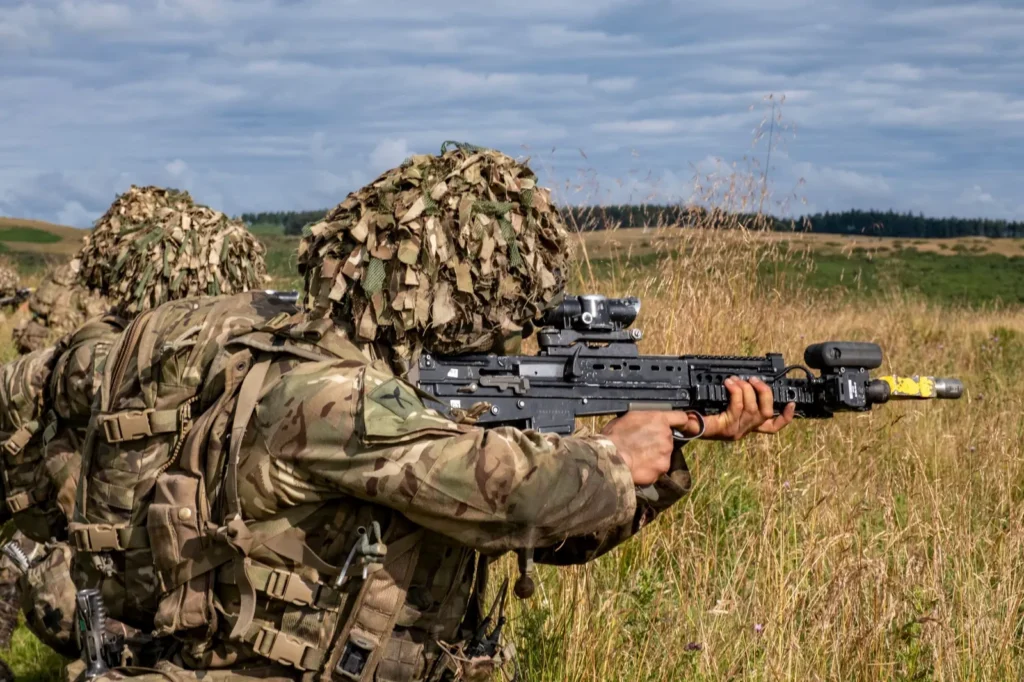
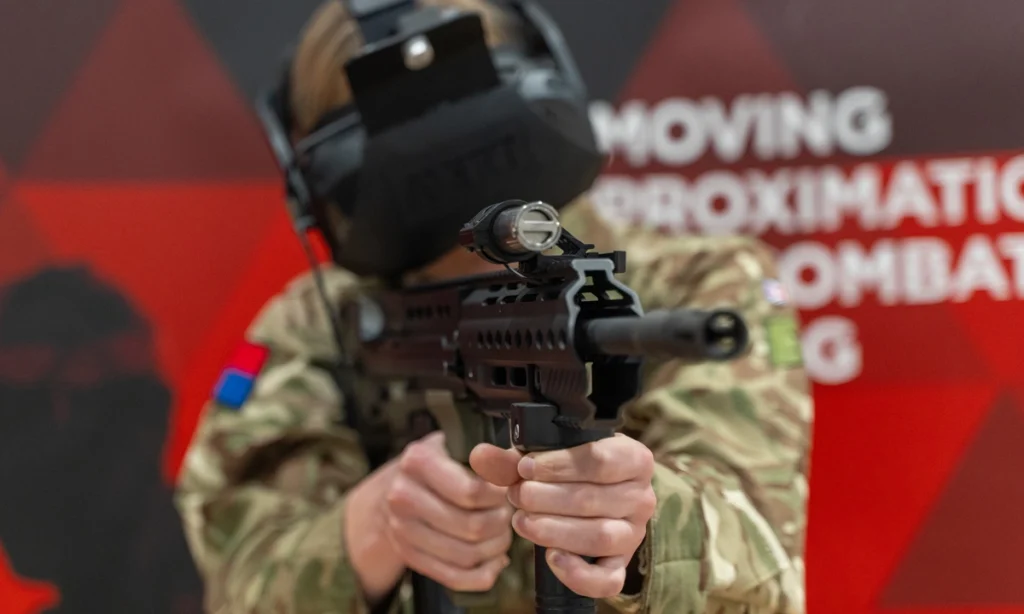
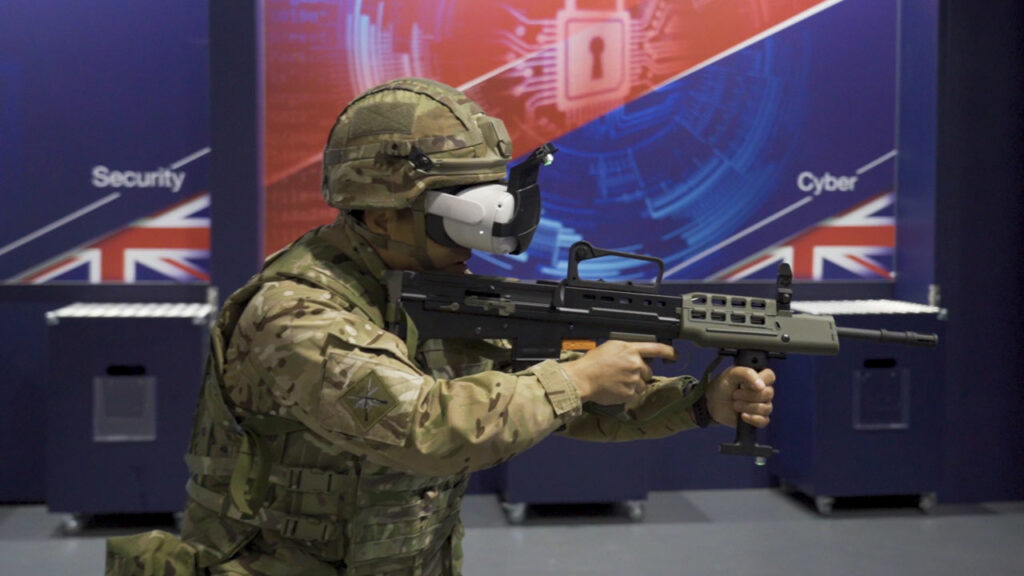
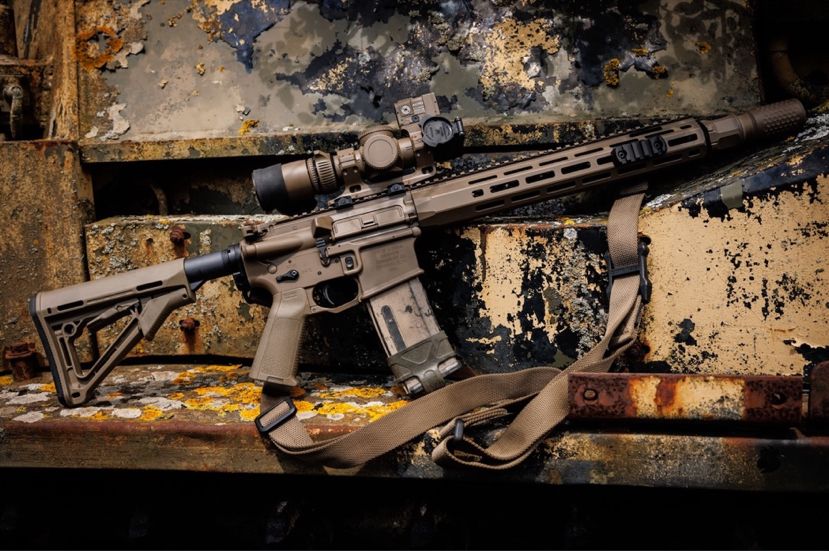
When it comes to military training, familiarity isn’t just a comfort, it’s a tactical advantage. Every soldier, marine, or special forces operator knows that the weapon in their hands is an extension of themselves.
Your next scenario

Want to see it in your own training space?

Tell us about your training and we will show you what AVRT can do for your team.

Book a demo

This website uses cookies

We use cookies and other tracking technologies to improve your browsing experience on our website, to show you personalised content and targeted ads, to analyse our website traffic, and to understand where our visitors are coming from. By browsing our website, you consent to our use of cookies and other tracking technologies.